Keeping Active, Staying Connected
August 9, 2026 ·
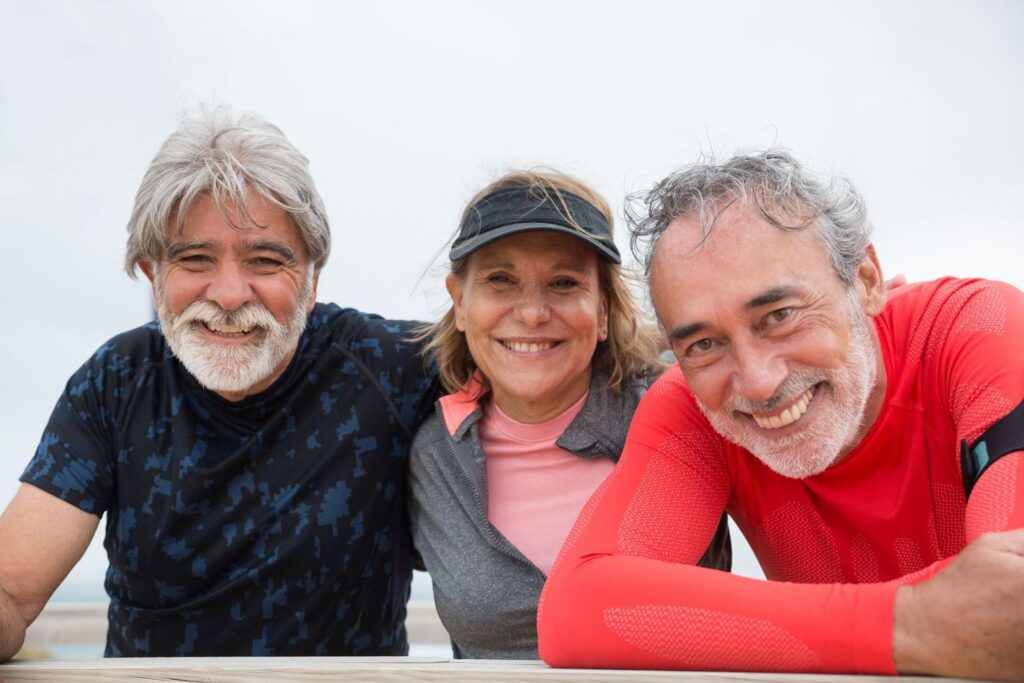
Community participation builds confidence and wellbeing. Staying active does not have to mean formal exercise, and staying connected does not have to mean a full social calendar. Small, regular habits tend to matter more than big plans.
Why it matters
Regular movement helps with strength, balance and mood, and regular social contact helps protect against isolation, which can affect health as much as physical inactivity does. The two work well together: activities that get you moving often also get you connecting with other people.
Ways to build activity into your week
- a short daily walk, built up gradually
- a class or group activity you enjoy, rather than one you feel you should do
- our physiotherapists can suggest safe exercises if you are recovering from an illness, injury or surgery
- our occupational therapists can help if a health condition makes everyday movement harder than it used to be
Ways to stay connected
- companionship visits for a chat and a shared activity at home
- social and community participation support to get out to groups, classes or events
- transport support, if getting there is the hard part
- for NDIS participants, capacity building support that includes building social and community skills
Two events worth putting in the diary
If you are looking for something to aim for, the Victorian Seniors Festival runs through October with free and low-cost events across Victoria, and the Melbourne Disability Expo is on 20 and 21 November, with free entry and accessibility features including a Quiet Hour. See our events page for both.
Not sure where to start? Call 1300 782 227 or start your journey online, and we will help you find activities and support that fit your goals.